We’ve crunched the numbers – and found a few ways to bring them down
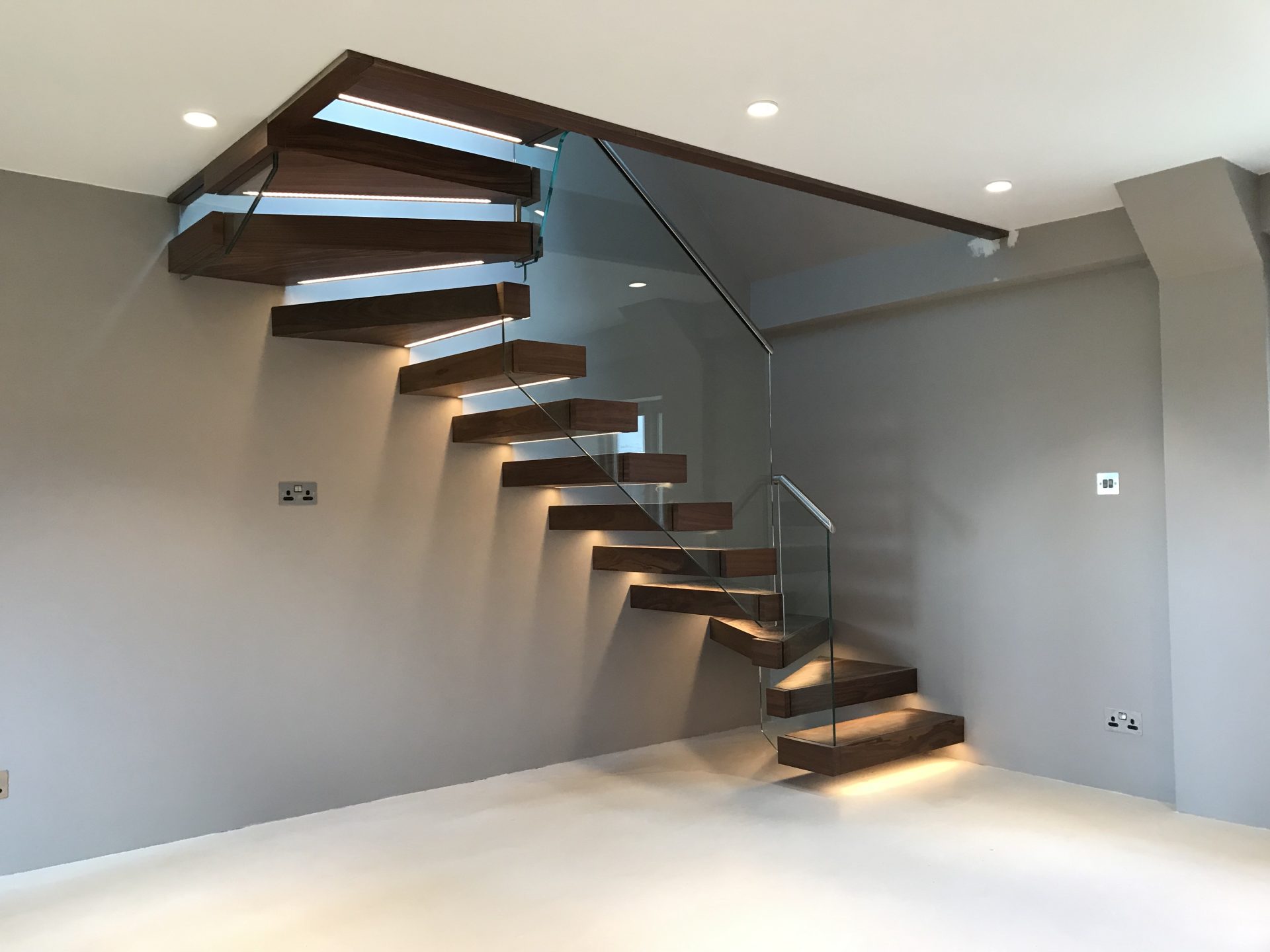
Floating staircases have become a sought-after design choice for homeowners looking to modernise their space. And with their clean lines, open risers and light-filled impact, it’s easy to see why they’re so popular. But how much does a floating staircase cost, exactly?
Well, that sleek, ‘floating’ effect doesn’t come cheap. Traditional cantilever staircases often require major structural work – reinforced walls, custom fittings and careful engineering – which all add up.
According to research carried out by Checkatrade in 2025, the cost of a floating staircase in the UK ranges from £20,000 to £80,000, with the average sitting at around £50,000.
This guide breaks down what goes into those figures – materials, design choices, installation – but more importantly, reveals an alternative that’s helping to bring that floating look into more homes, for less.
How much does a floating staircase cost?
Floating staircases are more than just an impactful design choice – they’re a structural one. Unlike traditional staircases, which rely on stringers or visible supports, floating stairs often require hidden structural engineering to create that clean, ‘unsupported’ look. That usually means reinforcing walls, installing concealed brackets and working with materials that can bear weight without bulk.
Most floating staircases – especially true cantilever or helical designs – are fully bespoke. That means the price isn’t just about the materials. You’re also paying for the design hours, structural calculations, custom manufacturing and specialist installation. It’s not a quick job.
As of 2025, Checkatrade reports that floating staircases in the UK typically cost between £20,000 and £80,000, with the average landing at around £50,000 (see the bottom of the graph below).

Source: Checkatrade
Helical stairs, which curve elegantly as they rise, often push the upper end of that scale. Classic cantilever staircases – where each tread is anchored directly into a structural wall – can also be costly due to the wall work required. Even a straight flight with open risers can climb in cost if the materials are high-spec.
That said, there are now smart alternatives that deliver the same visual impact – without the heavy engineering or steep costs. We’ll come to that shortly.
Key factors influencing the floating staircase cost
What you’ll pay for a floating staircase depends on more than just the model you choose. Here’s what typically drives the cost up – or helps bring it down.
Materials
Timber, steel, and glass are the most common materials in floating staircases. Oak is durable and warm but can get pricey depending on the grade. Glass balustrades or treads add lightness but usually increase cost. Powder-coated steel offers a clean finish and strong structure, but requires precise fabrication.
Design + layout
Straight flights tend to be the most cost-effective. Spiral or L-shaped stairs require more planning and material shaping, especially when combined with open risers or curved glass panels. The more complex the configuration, the more you’ll pay in design time and materials.
Structural requirements
True cantilever staircases require a reinforced wall to support each tread. If your wall can’t handle the load, additional structural work will be needed—which can significantly inflate the cost. Alternative models like Stairkraft’s Faux Cantilever avoid this by using an internal support system instead.
Labour & installation
The more bespoke the staircase, the longer it takes to install. Some models need multiple trades on-site, particularly when structural changes are involved. Simpler systems or staircase kits can shorten timelines and reduce labour costs.
Finishes & extras
LED tread lighting, custom balustrades, non-slip nosing, smoked oak treads – finishes add the final touch but also add up. Be clear on what’s essential for your space and what’s optional design flair.
The Faux Cantilever is for cost-conscious budgets

Good news: Floating staircases don’t have to come with structural upheaval or a £50k price tag.
Yorkshire-based business, Stairkraft, developed the Faux Cantilever to give homeowners the look of a cantilever staircase, without the structural wall requirements. Now, the company has taken it a step further.
The Faux Cantilever+ is its latest model: a floating staircase kit designed to be even more accessible in terms of both cost and installation. Starting from £9,999.00, it delivers the same clean-lined, modern look as a traditional cantilever, minus the need for reinforced walls or complex structural work.
The kit is available for supply-only or full installation, with customisable tread options, compatible balustrades and quicker lead times. There’s no need for reinforced walls or complex building prep. It’s a floating look – made practical.
Whether you’re renovating or building from scratch, it’s a smart route to a floating staircase that feels bespoke without blowing your budget.
How much does a floating staircase cost? A full breakdown
Here’s how the Faux Cantilever+ stacks up against other common options in terms of price, complexity, and flexibility. Use this as a quick reference if you’re weighing up different staircase types for your home or project.
| Staircase type | Starting price | Structural wall needed? | Customisable? |
| Traditional cantilever | £20,000.00 | Yes | Usually |
| Faux Cantilever | £14,999.00 | No | Yes |
| Faux Cantilever+ | £9,999.00 | No | Yes |
Installation + lead times
Floating staircases are rarely a one-day job. Traditional cantilever models often come with longer timelines, factoring in structural assessments, wall reinforcements, bespoke fabrication and multi-stage installations. From design to final fitting, it’s not unusual for the full process to take several months.
Even with simpler layouts, the hidden structural supports required for floating stairs can mean extra coordination between trades and more time on-site. Add custom materials and finishes, and the schedule can stretch further.
That’s why some manufacturers, including Stairkraft, have begun developing alternatives that reduce installation time without compromising on the look. The Faux Cantilever+, for example, is supplied as a staircase kit with a typical lead time of 4–6 weeks and simplified installation steps – making it a practical option for tighter timelines.
FAQs about the floating staircase cost
How much does a floating staircase cost in the UK, on average?
As of 2025, Checkatrade reports that floating staircases typically cost between £20,000 and £80,000, depending on design complexity and materials used. The average is around £50,000. Stairkraft’s flagship Faux Cantilever models start at £9,999.00 and vary depending on the spec.
Why is there such a wide price range?
A floating staircase isn’t one-size-fits-all. Costs are affected by things like materials (oak, glass, steel), layout (straight vs. spiral), structural needs and bespoke design work. The more complex the project, the higher the price.
What’s the most cost effective way to get the floating look?
There are a few ways to bring down the cost without losing the visual impact. Choosing a straight-flight layout over a spiral or switchback saves on materials and labour. Opting for thinner treads and open risers reduces bulk (and often budget), while using a staircase kit with built-in support – like the Faux Cantilever+ – can eliminate the need for costly structural wall work. Simpler balustrades and standardised finishes also help keep costs in check.
Are floating staircases expensive to install?
Yes, traditional models often require longer installation times and multiple trades. Kits with internal support systems can reduce this, saving time and labour costs.
Can I get a quote before committing?
Of course you can. Reputable manufacturers, like Stairkraft, offer free, no-obligation quotes. The more details you can provide – like photos or floor plans – the more accurate the estimate.
How much does a floating staircase cost? A recap
-
- Floating staircases are striking, but they often come with a hefty price tag.
-
-
- Traditional models can range from £20,000 to £80,000, with custom work pushing costs higher.
-
- Key factors include materials, layout, structural requirements and installation time.
-
- Design decisions, like thinner treads, simpler balustrades or straight layouts, can lower the cost.
-
- Alternatives like staircase kits offer the same clean look with fewer structural demands.
-
- Stairkraft’s Faux Cantilever+ starts at £10,000 and offers customisation, faster lead times and no need for wall reinforcements.
- Stairkraft’s Faux Cantilever+ starts at £10,000 and offers customisation, faster lead times and no need for wall reinforcements.